

By Erik
· 3 min read
Everyone wants to eat together more often, but dinner clubs are surprisingly hard to keep alive. These seven agreements make yours something to look forward to.
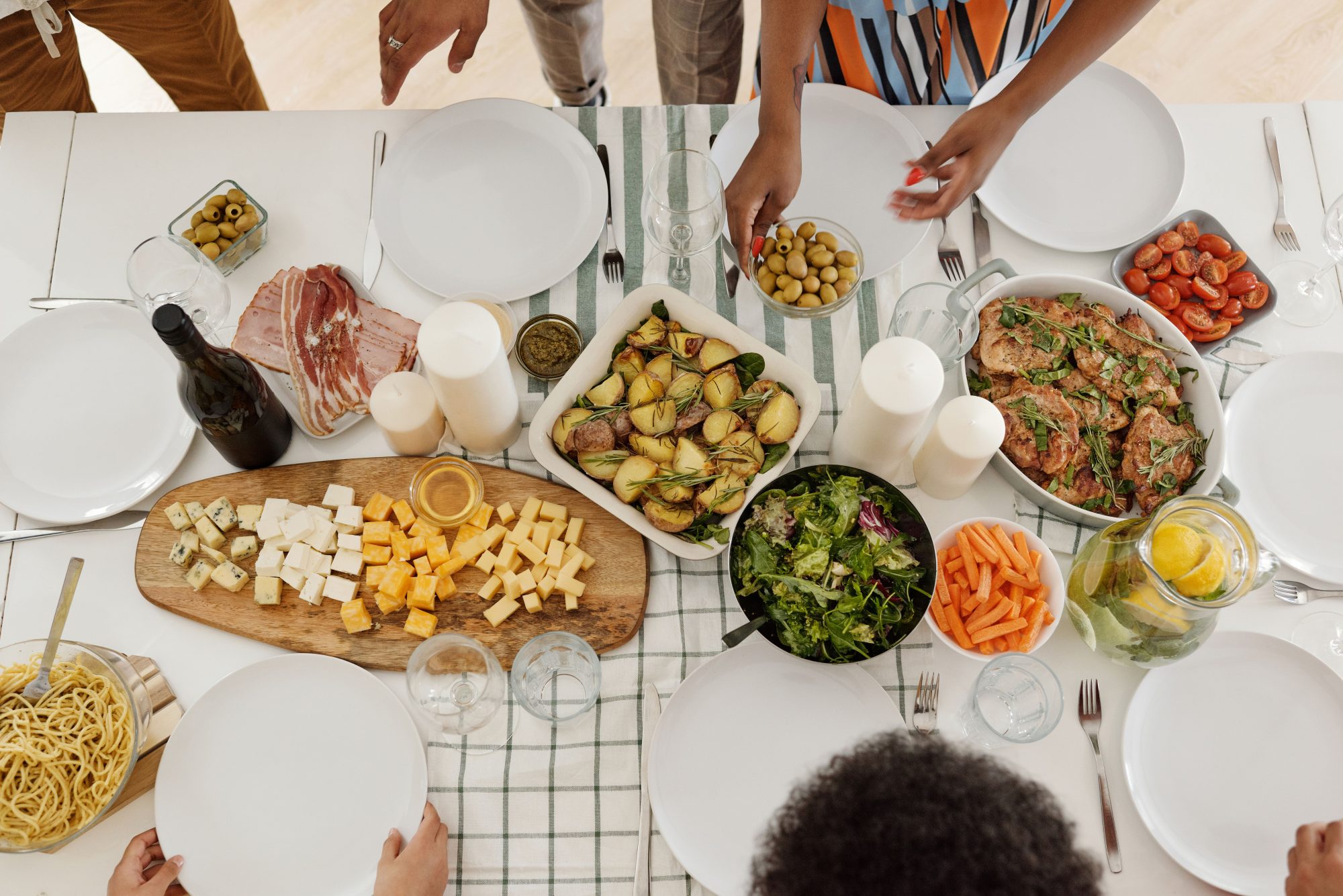
We all know the plan. "We should really eat together more often." Everyone nods, someone starts a group chat, and three months later there's still no date. A dinner club sounds simple, but in practice it's surprisingly hard to keep going.
The good news: it's almost never the people. It's the setup. With a few clear agreements, your dinner club becomes something you look forward to instead of something you forget.
Four to six people is ideal. Big enough to stay lively when someone cancels, small enough to sit at one table and actually talk. With ten people it becomes a party — fun, but you never really get to know anyone.
Scheduling kills more dinner clubs than anything else. Make it easy and pick a fixed moment: the first Thursday of every month, or every second Sunday. If you can't make it, you can't — the club goes ahead anyway.
A fixed rhythm removes the endless date polls and makes the dinner part of everyone's calendar.
Rotate the cooking. Whoever hosts makes the main course. The others bring something: a starter, dessert, a bottle of wine. That way nobody carries the whole load every time, and you get to know each other's cooking.
Tip: agree on a budget. Not everyone has the same room to splash out, and a dinner club shouldn't turn into a contest over who serves the most expensive cut of meat.
Money is awkward, but not talking about money is even more awkward. Pick one of these two approaches:
It doesn't matter which you choose, as long as you agree on it upfront.
Vegetarian, gluten-free, no nuts: ask at the start and write it down somewhere everyone can find it. Nothing is sadder than a host who spent an afternoon cooking a dish half the table can't eat.
Food is the reason, not the goal. The best dinner clubs have something extra: a board game after dessert, a theme night (Italian, Indonesian, "everything from the oven"), or simply the rule that phones go in a basket. It gives the evening its own character.
Dinner clubs often fade because people move, have kids or just get busier. A fixed group shrinks on its own. So agree that someone can bring a guest now and then. New people bring new stories — and keep the club alive.
Maybe you're reading this thinking: great, but with whom? You've just moved, your friends live all over the country, or your social circle has simply become a bit smaller. That's completely normal — and exactly why BORDGENOTEN exists.
At BORDGENOTEN, hosts cook at home for a small group, and you pull up a chair. No fixed group, no scheduling. Pick a dinner, sign up, and eat with people from your neighbourhood. Love cooking? Then simply host your own table.
Sign up and we'll let you know when the first tables near you are set.
Join the waitlist
The first tables are being set in Wageningen and the surrounding area. Here's how the launch works, and how you can help get it off the ground.
Erik
2 min read
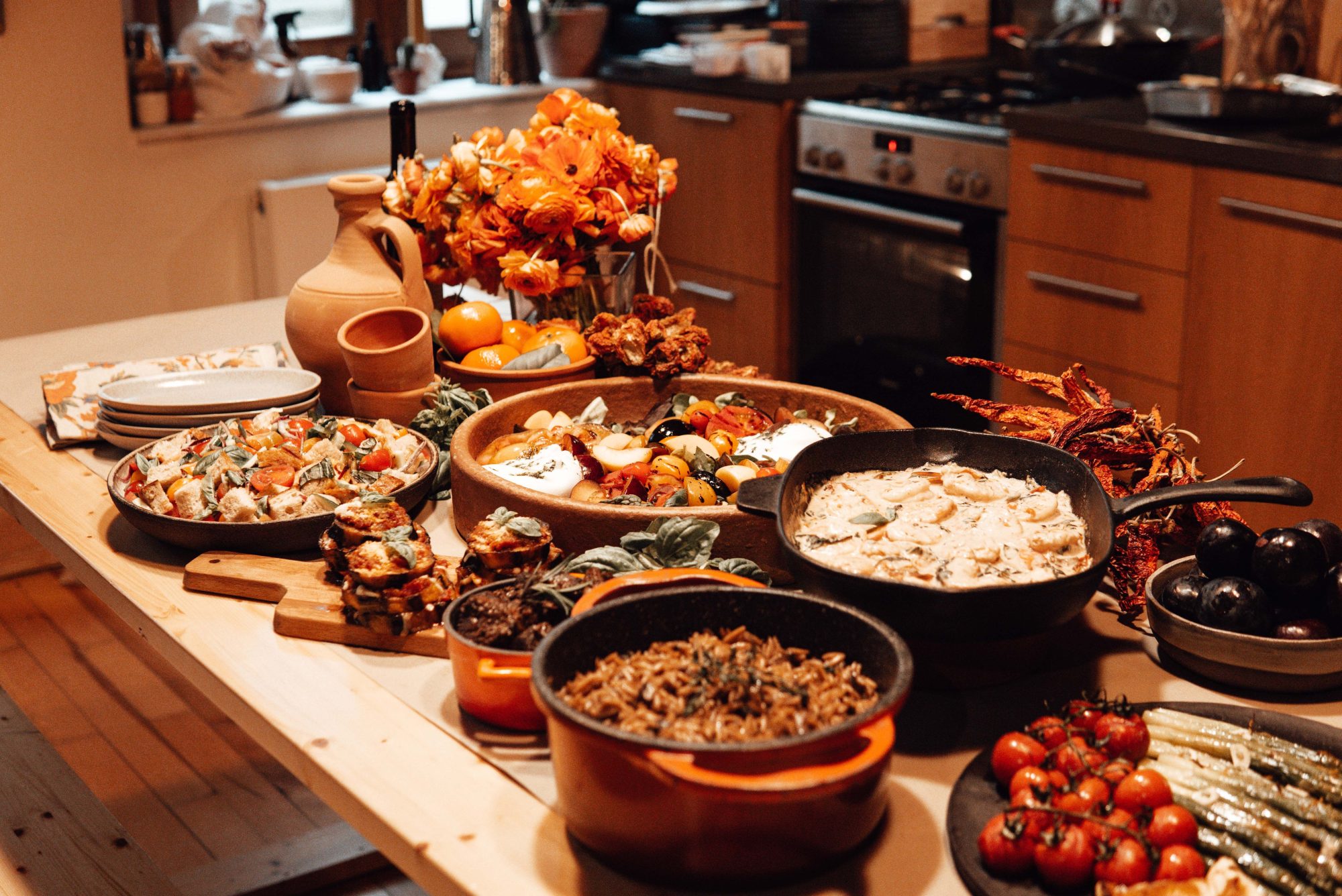
No business plan, no market research. BORDGENOTEN started with a son asking whether someone was coming over for dinner tonight.
Erik
3 min read